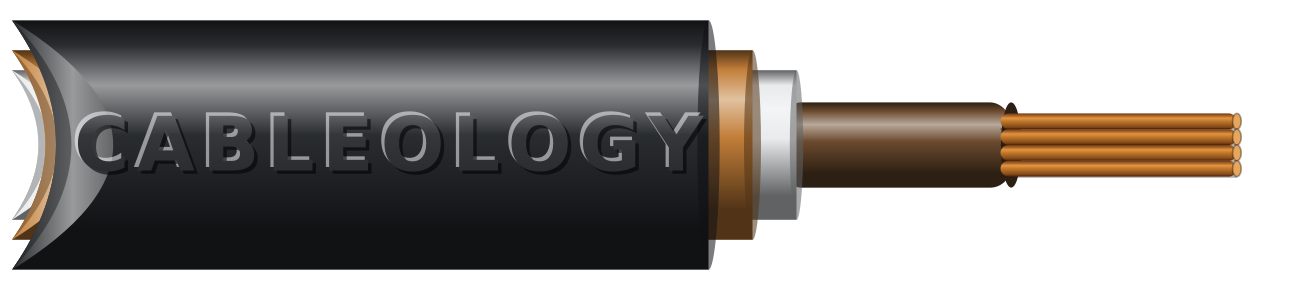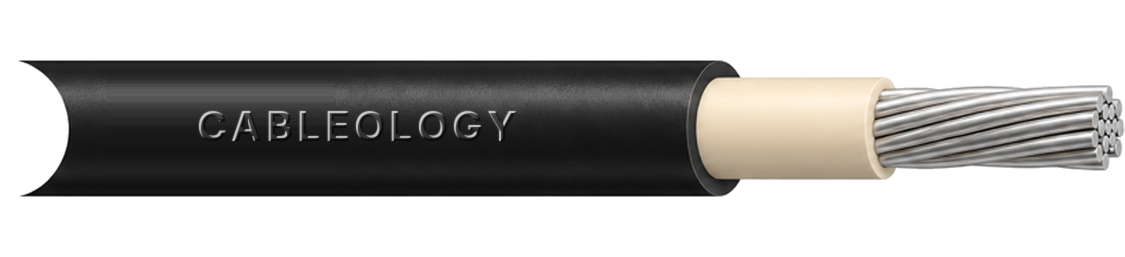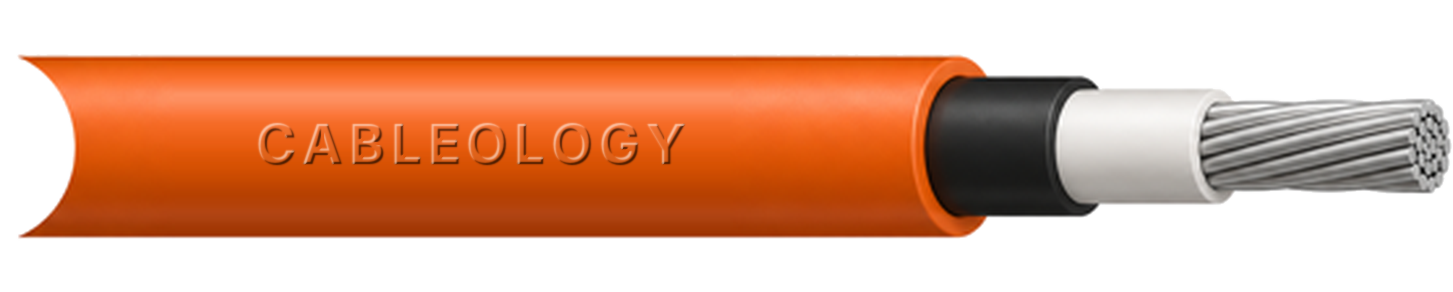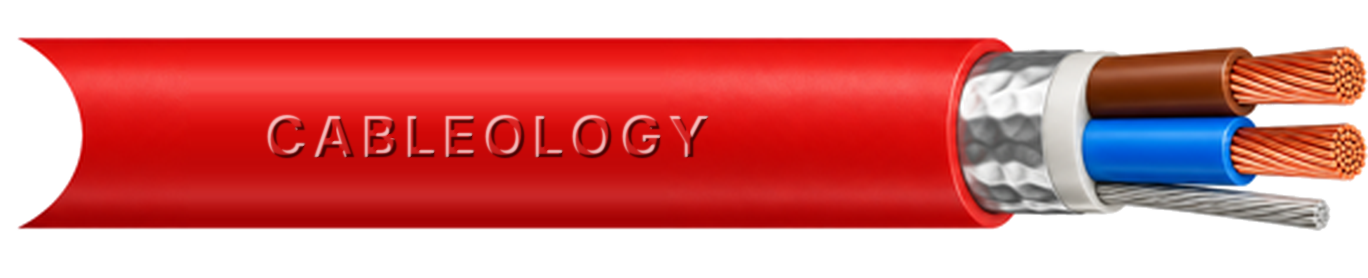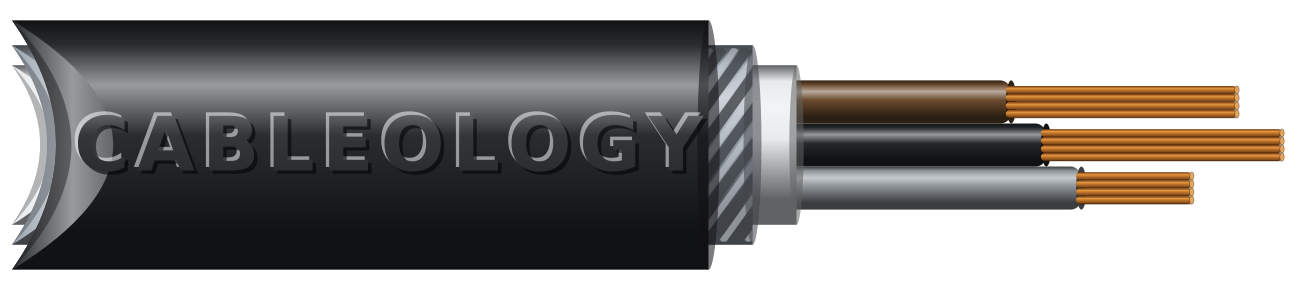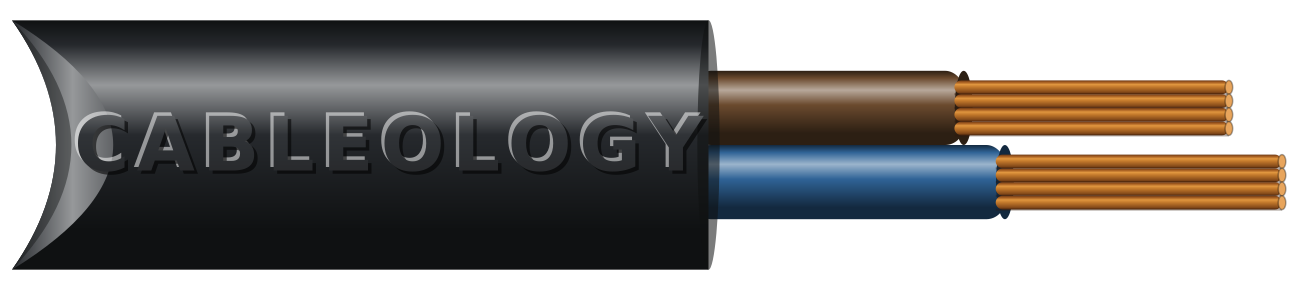
6491B is the low smoke, zero halogen counterpart to 6491X. The insulation is cross-linked rather than thermoplastic, which lifts the conductor temperature limit to 90 °C, and the compound is halogen-free so that in a fire it gives off far less smoke and no acid gas. It is specified in buildings where escape routes, ventilation shafts and public spaces have to stay usable during an evacuation.
Key applications
- Conduit and trunking wiring in hospitals, schools and transport buildings
- Panel and switchgear wiring where halogen-free material is specified
- Earthing and bonding conductors in LSOH installations
- Risers and escape-route containment in public buildings
- Replacement of PVC single core where a building's fire specification has changed
Features and benefits
- 90 °C conductor rating gives more headroom than the 70 °C PVC equivalent
- Halogen-free: no acid gas evolution, so less damage to electronic equipment after a fire
- Low smoke emission helps keep escape routes visible
- Stranded conductor throughout the range, so it pulls well in long conduit runs
- Same physical size range and colour options as the PVC equivalent
Specification notes and limitations
Low smoke and zero halogen is not the same thing as fire resistant. 6491B will not keep a circuit alive in a fire; where circuit integrity is required the specification calls for a fire-resistant cable to BS 7846 or equivalent, not this. Like 6491X it is single insulated and must be enclosed in conduit, trunking or equipment except where used as a green/yellow protective conductor. The 90 °C rating can only be used if every accessory, gland and terminal in the circuit is also rated to 90 °C; most wiring accessories are not, so the design temperature at equipment usually falls back to 70 °C. LSOH compounds are generally less abrasion-resistant and stiffer than PVC, so take care drawing into long runs and over bushings.