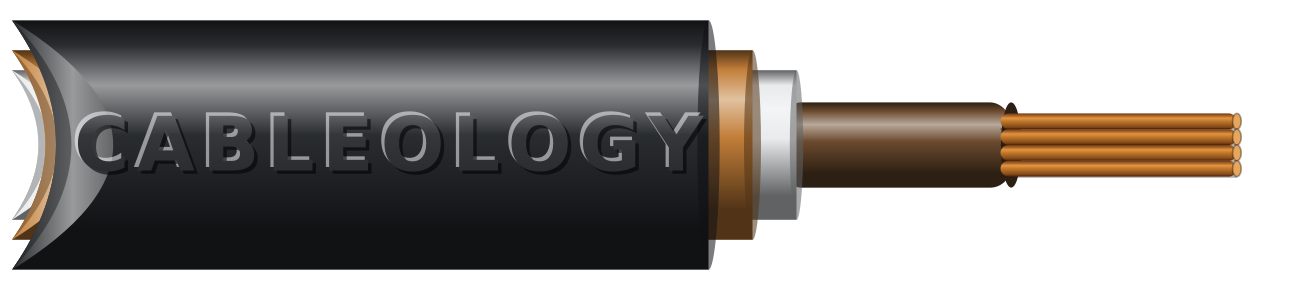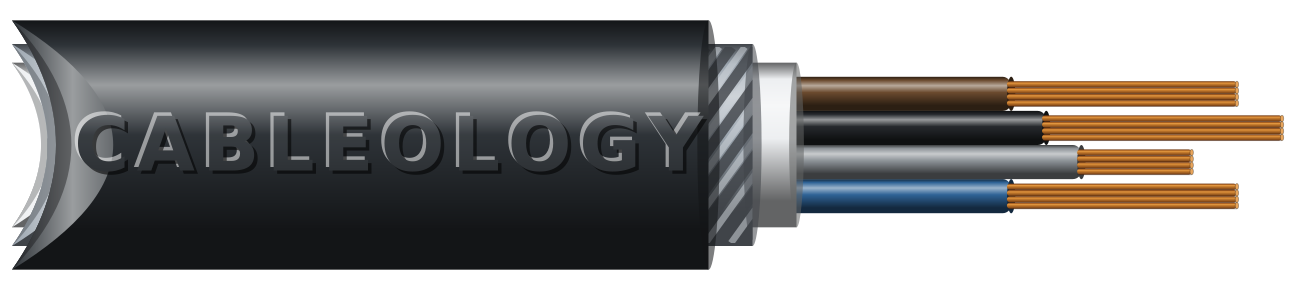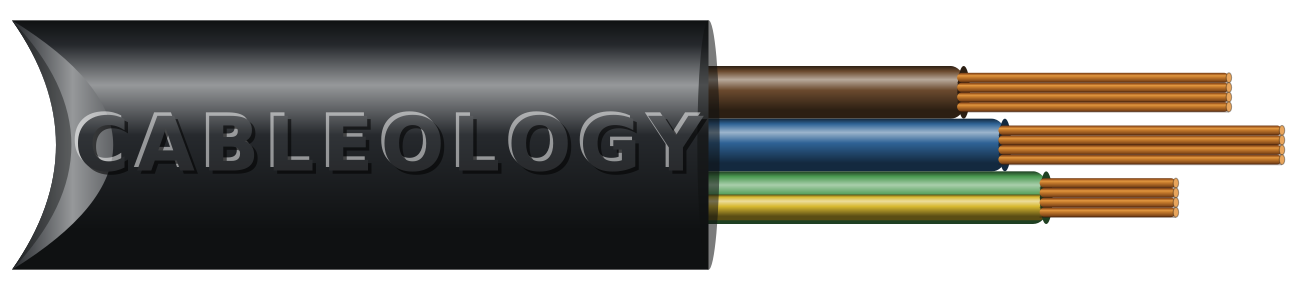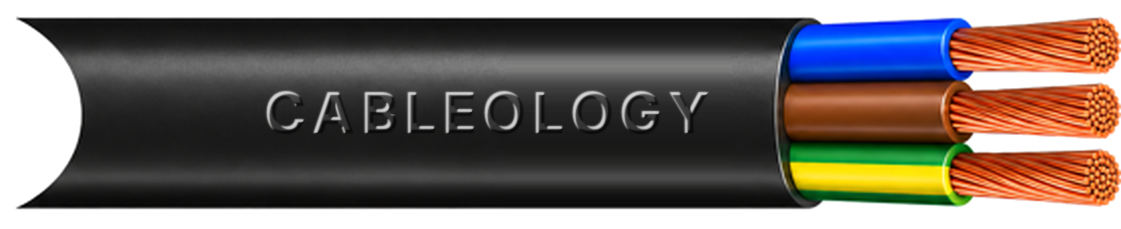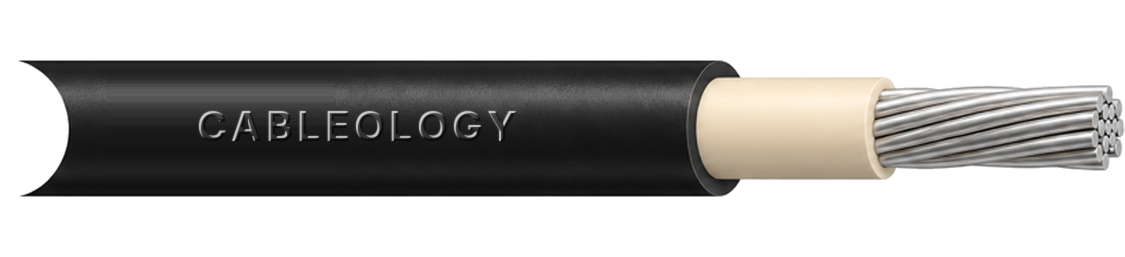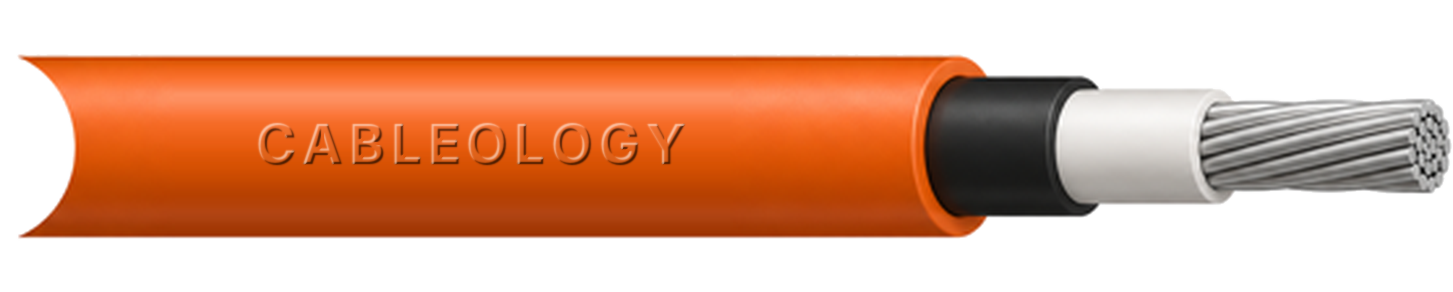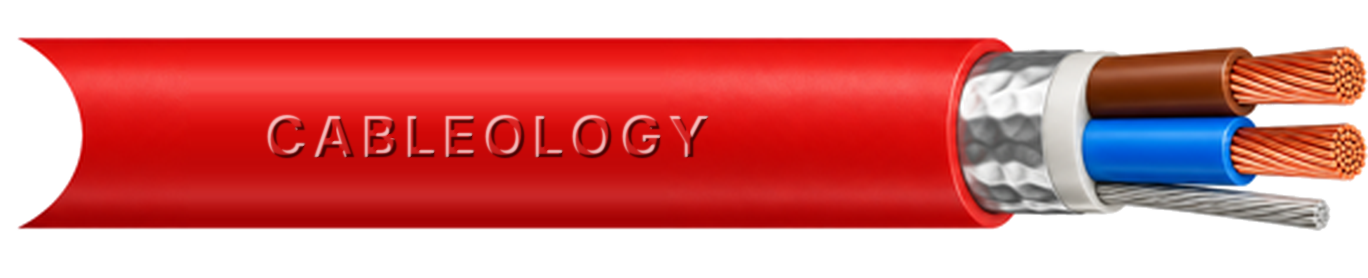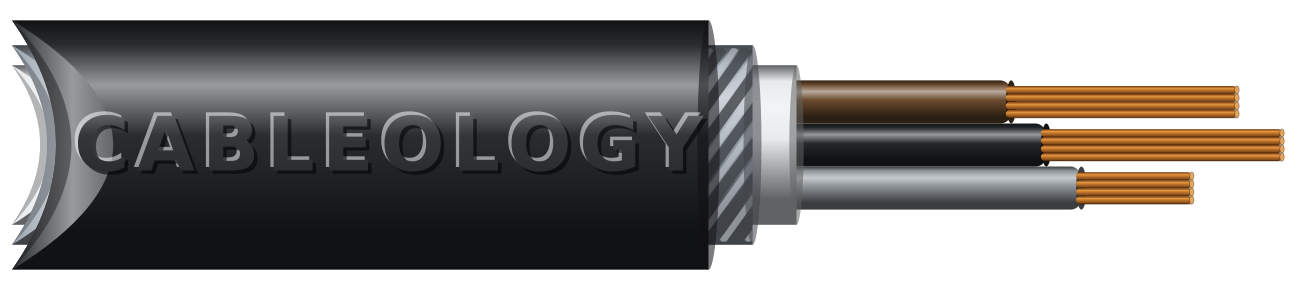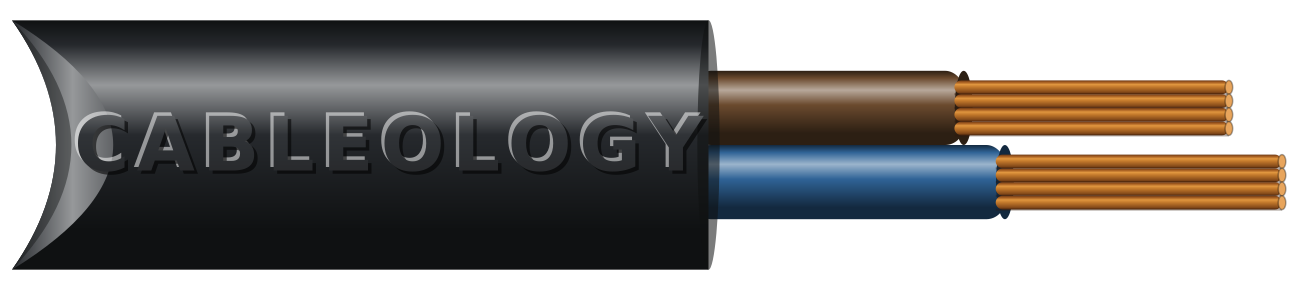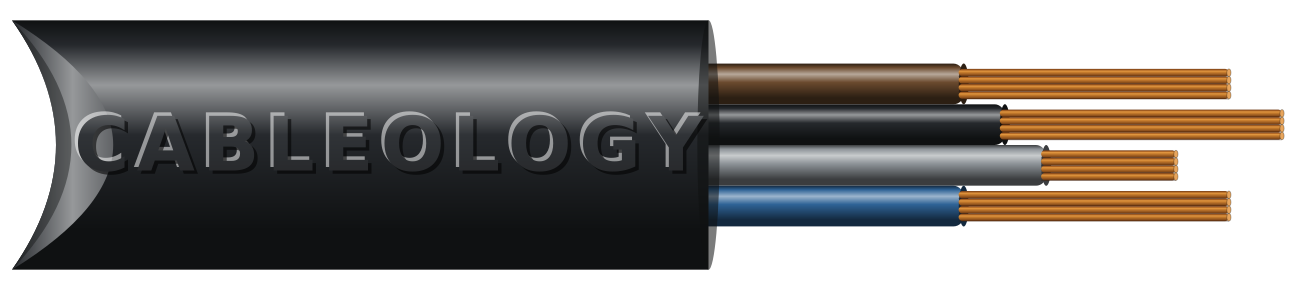
An aluminium conductor, cross-linked polyethylene insulated and PVC sheathed cable. Aluminium conductors cut both weight and metal cost against copper for the same current, at the price of a larger cross-section and a need for aluminium-rated terminations. The Hybral name could not be traced to any published specification, so the figures below are limited to what the construction itself establishes.
Key applications
- Low voltage distribution where conductor weight and cost favour aluminium over copper
- Supply cables between substations, feeder pillars and distribution boards
- Service and interconnection runs on larger sites
- Submain distribution in buildings and industrial premises
Features and benefits
- Aluminium conductor reduces weight and metal cost against the copper equivalent
- Cross-linked polyethylene insulation allows a higher operating temperature than PVC insulation
- PVC oversheath gives general purpose mechanical and moisture protection
- Larger cross-sections available for the same current as a copper cable
Specification notes and limitations
Aluminium conductors need terminations and lugs rated for aluminium, correctly prepared and torqued, because aluminium creeps under pressure and forms an insulating oxide layer that a copper-only terminal will not cope with. Mixed aluminium and copper connections must use bimetallic fittings to prevent galvanic corrosion. Aluminium is also less tolerant of repeated bending than copper, so respect the minimum bending radius and avoid reworking a termination more than necessary.