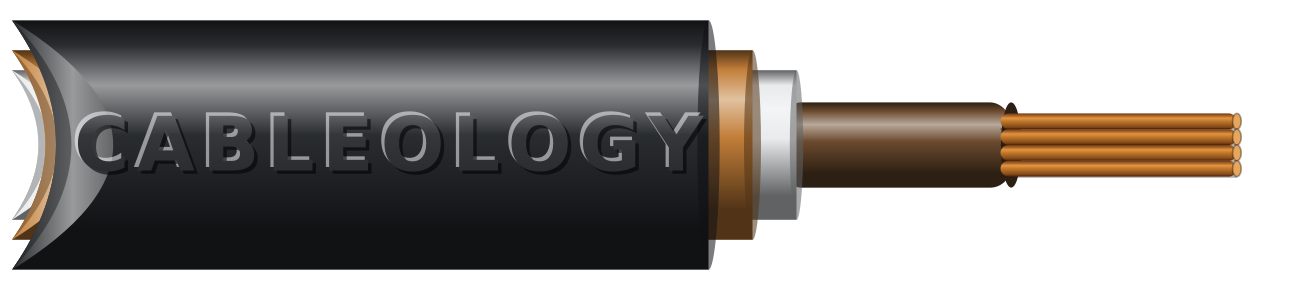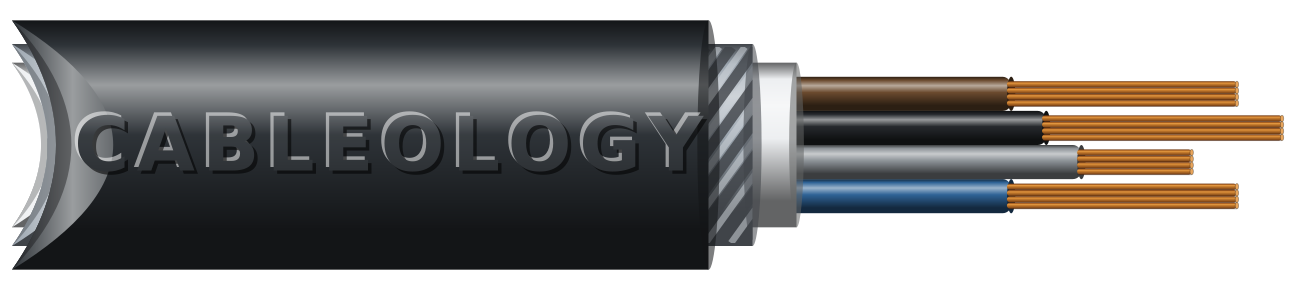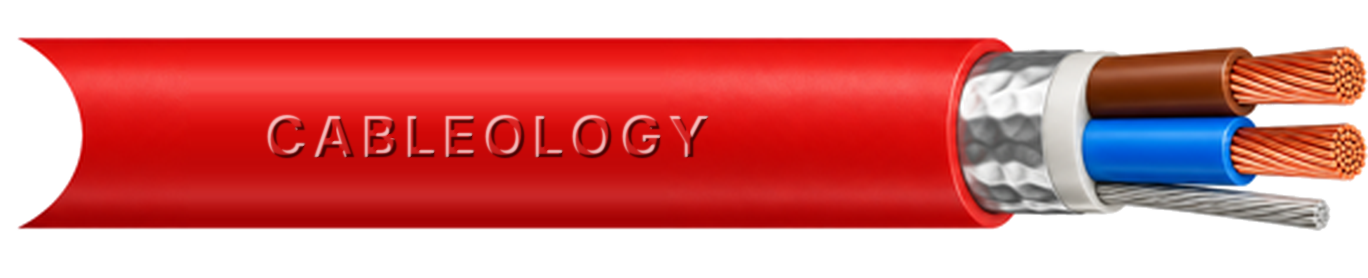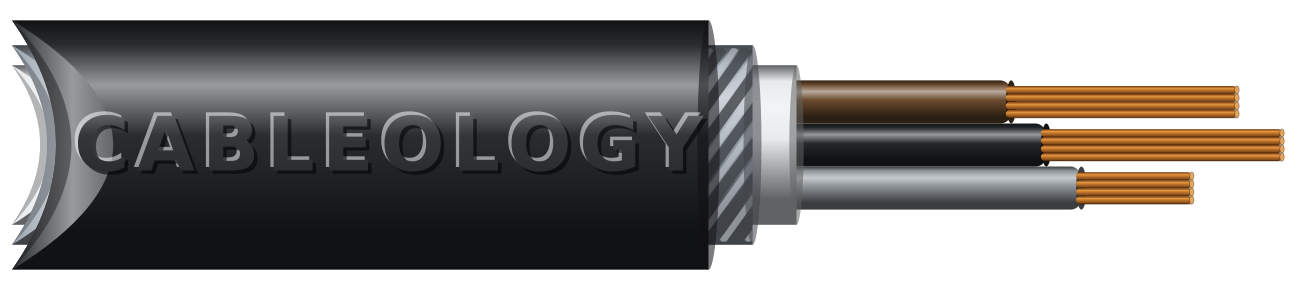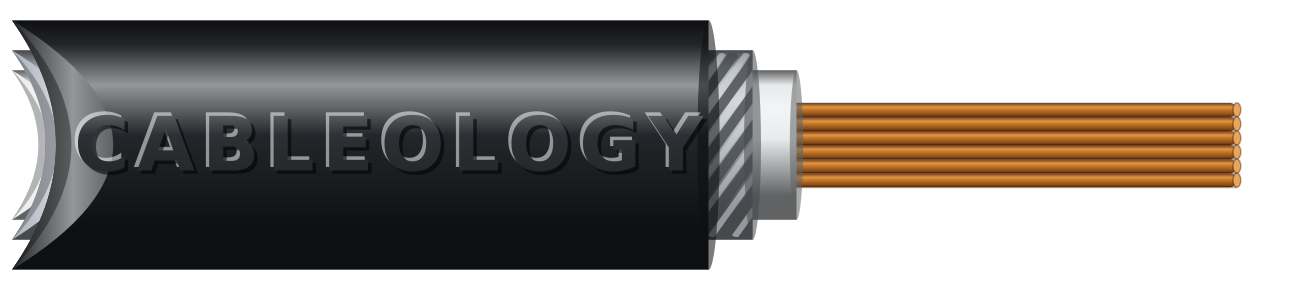
A screened and braided instrumentation cable for signal and control circuits on ships, offshore platforms and other marine structures. Elastomeric insulation and an oil resisting, flame retardant sheath handle the heat, hydrocarbon exposure and vibration of a machinery space, while the braid gives mechanical protection and an earth path in place of conventional wire armour. Pairs, triples and quads can be screened individually, collectively, or both, depending on how much isolation the measurement loop needs.
Key applications
- 4 to 20 mA analogue signal loops to field transmitters
- Thermocouple and resistance thermometer circuits
- Fire and gas detection wiring on platforms and vessels
- Instrument and control circuits in engine rooms and pump rooms
- Process control and shutdown systems on fixed and mobile offshore units
- Interconnection between field junction boxes and marshalling cabinets
Features and benefits
- Individual, collective or combined screening to suit the noise environment
- Metallic braid provides mechanical protection and a continuous earth path
- Oil resisting and flame retardant sheath for machinery spaces and deck areas
- Reduced halogen and halogen free sheath options for enclosed and manned areas
- Rated for continuous operation at 90 °C
Specification notes and limitations
Instrumentation screens must be earthed at one point only unless the control system design calls for otherwise, because earthing both ends creates a circulating current loop that injects noise into the very measurements the screen is there to protect. Braid and screen continuity has to be maintained through every gland and junction box, and glands must be the correct type for the hazardous area classification of the zone. Respect the minimum bending radius, commonly eight times the overall diameter, since crushing or sharply bending a screened cable disturbs the pair geometry and the screen coverage.