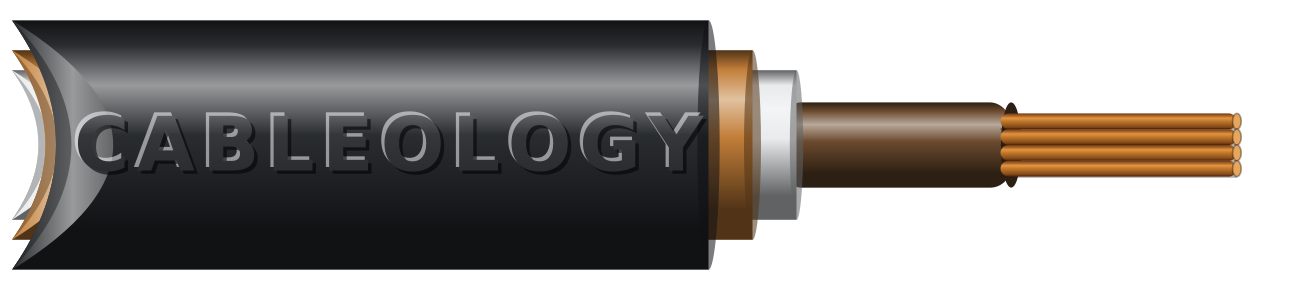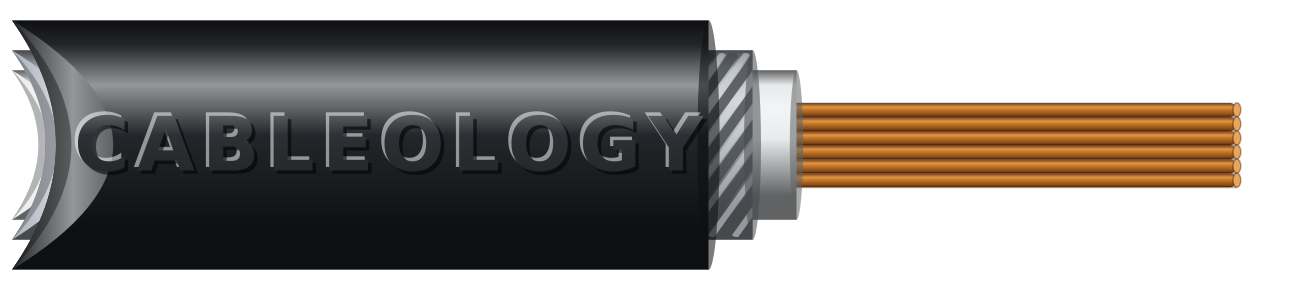
A family of legacy coaxial type numbers still in everyday use for radio frequency and video interconnection. RG stands for Radio Guide and comes from a US military listing that has long since been withdrawn, while UR and URM are the equivalent British Uniradio and Uniradio Metric designations. The type numbers persist as trade shorthand for a known combination of impedance, diameter and construction, so matching the number matters more than chasing the original specification document.
Key applications
- Antenna feeders for transmitters and receivers
- Radio frequency test and measurement interconnections
- Analogue video and CCTV links on the 75 ohm types
- Instrumentation and laboratory signal runs
- Two-way radio, amateur and marine antenna installations
- Replacement and maintenance of existing coaxial infrastructure specified by type number
Features and benefits
- Known, repeatable impedance of 50 ohm or 75 ohm according to type
- Braided screen gives good screening effectiveness at the frequencies these types were designed for
- Direct equivalence between several RG and URM numbers simplifies cross-sourcing
- Wide choice of diameters trading attenuation against flexibility
- Broad connector availability for each established type
Specification notes and limitations
Coaxial cable used as a transmitting antenna feeder can carry significant radio frequency power, so check the type's power handling against the transmitter output at the operating frequency before committing to a run. Screen continuity and correct connector fitting are what keep radiated emissions and ingress under control; a poorly made connector is the usual cause of both high VSWR and interference complaints. External runs need a cable with a UV resistant sheath and proper weatherproofing at the connectors, because water ingress into a braid destroys the cable's performance quickly and irreversibly.