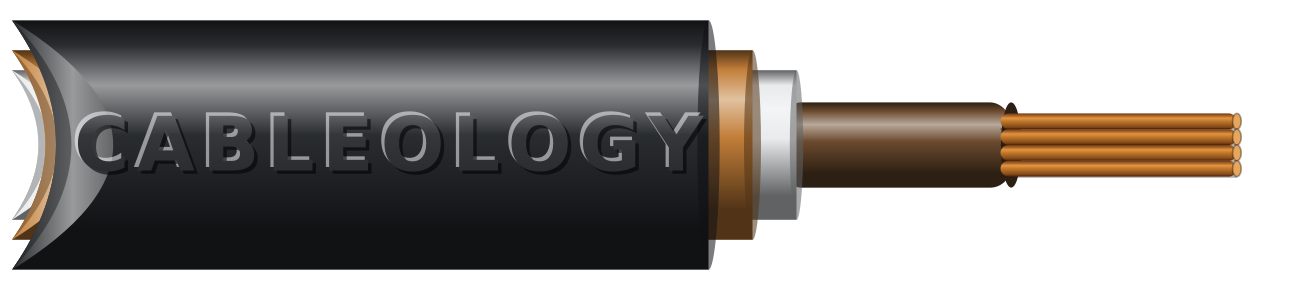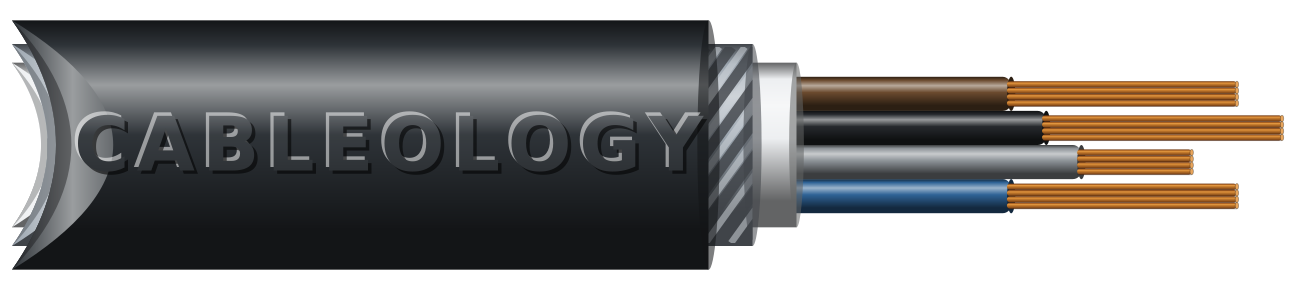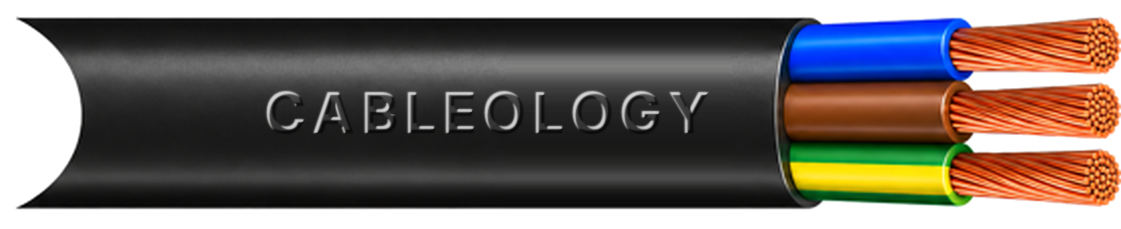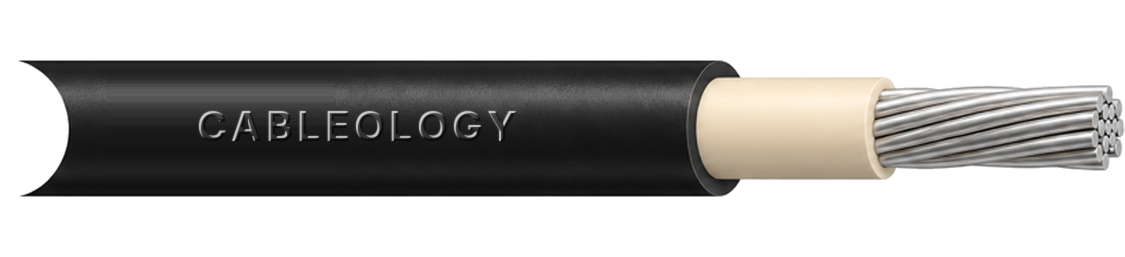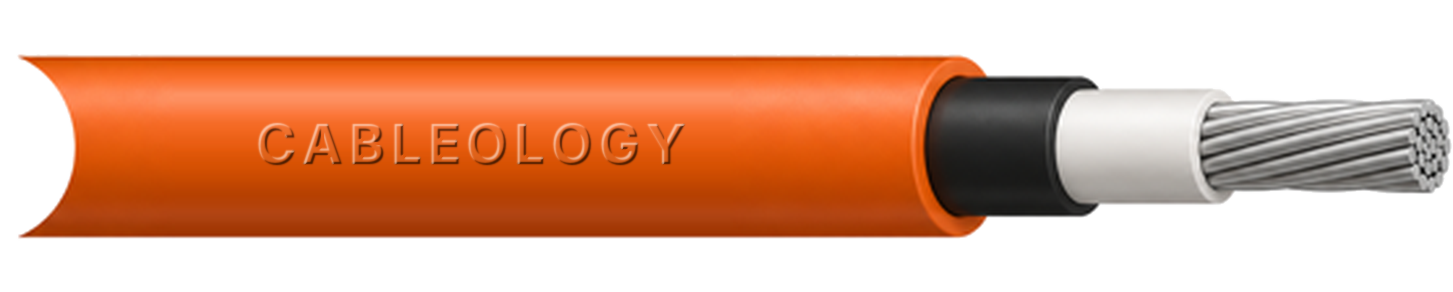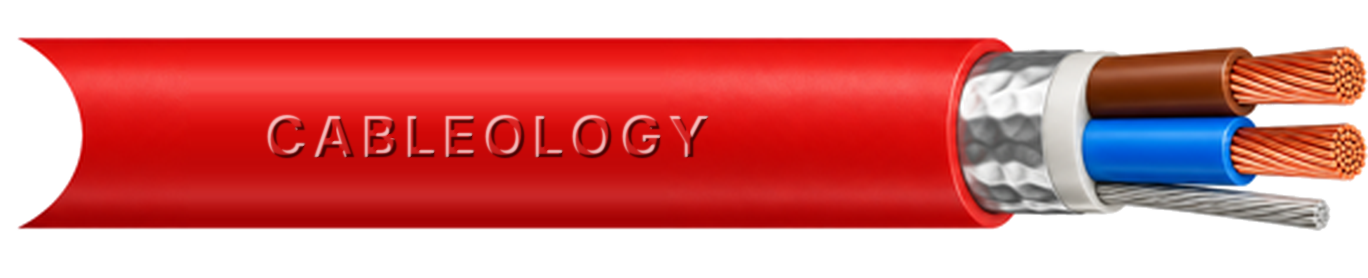
A heavy duty DC traction cable for railway track feeder and return duty on 750 V and 1500 V DC systems. Elastomeric insulation and a tough rubber or halogen free sheath let it be laid directly on ballast or in concrete troughing without additional mechanical protection, which is the whole point of the construction. The original Railtrack specification RT/E/S/21101 became NR/PS/ELP/21101 and has since been superseded by NR/L2/ELP/23002 Module 02, so the older reference is now a legacy designation.
Key applications
- Track feeder cables on 750 V DC conductor rail systems
- Traction return and rail bonding connections
- 1500 V DC overhead line equipment feeder circuits
- Substation to track connections on DC electrified routes
- Cables laid on ballast or in lineside concrete troughing
- Tunnel and underground railway traction power circuits
Features and benefits
- Suitable for surface laying on ballast without additional mechanical protection
- Longitudinal water blocking with swellable polyester limits water migration along the cable
- EPR insulation rated at 90 °C supports high loading in confined troughing
- Rubber or low smoke halogen free sheath options for open route and tunnel use
- Large cross-sections available for high traction current duty
Specification notes and limitations
DC traction circuits carry very high fault currents and the conductor rail or overhead line remains a serious hazard, so all work must be carried out under a Network Rail approved isolation and permit regime by personnel holding the relevant competence and track safety certification. Because this is a cable specified by the infrastructure manager rather than by a British Standard alone, the current version of the Network Rail specification governs: check which document applies to the project before ordering, since RT/E/S/21101 has been superseded twice. Cables for tunnels and other enclosed locations normally need the halogen free sheath and the fire classification stated for that environment.