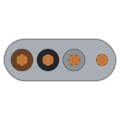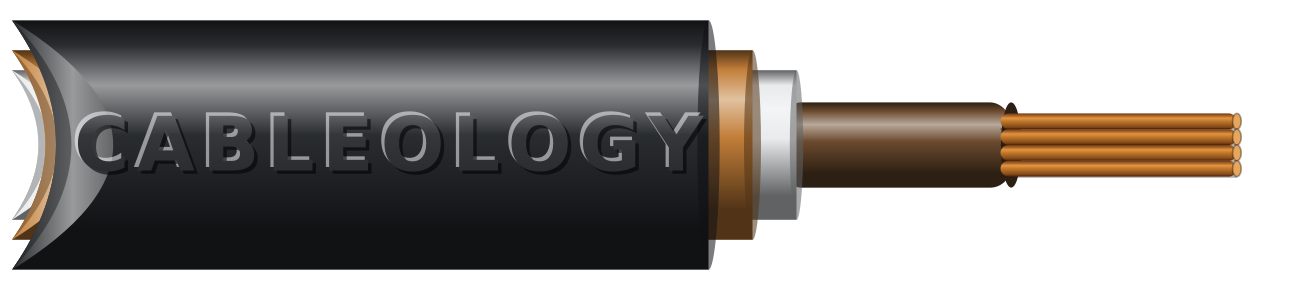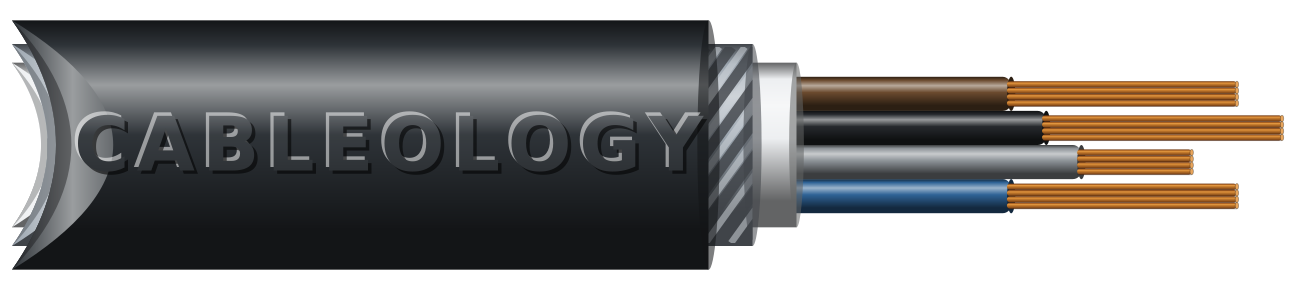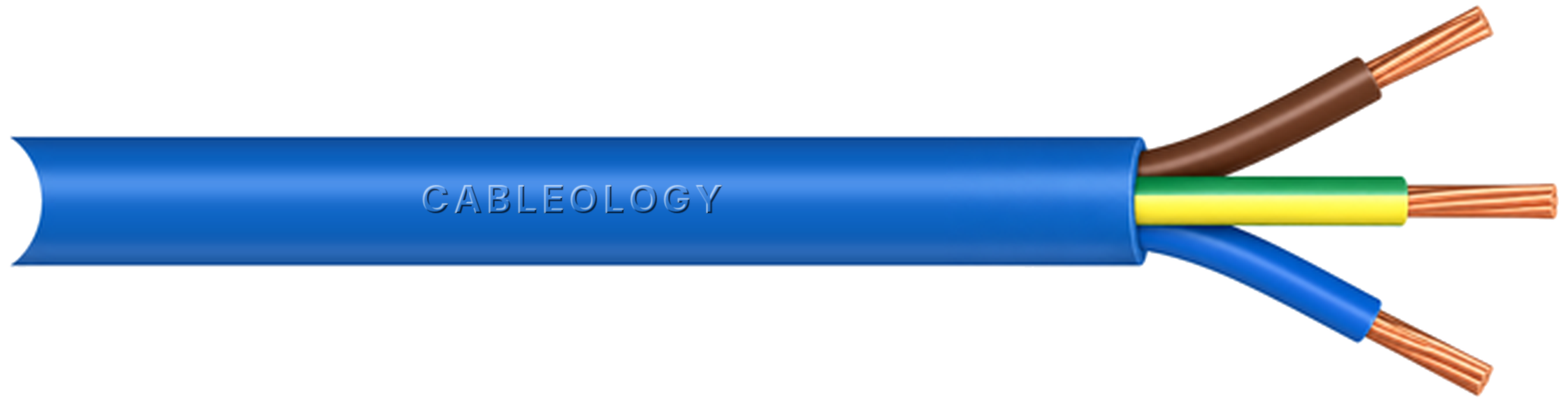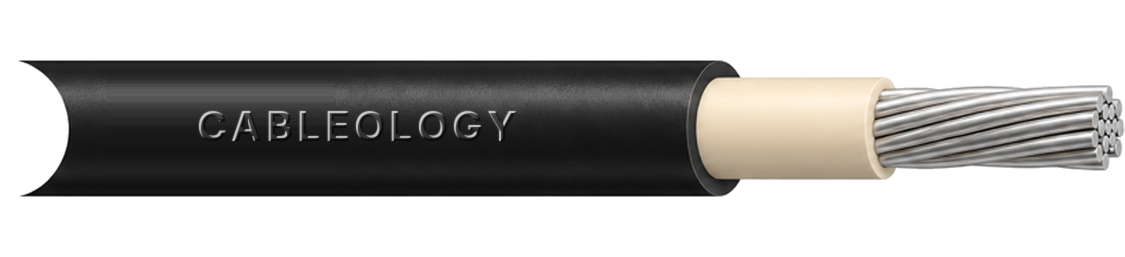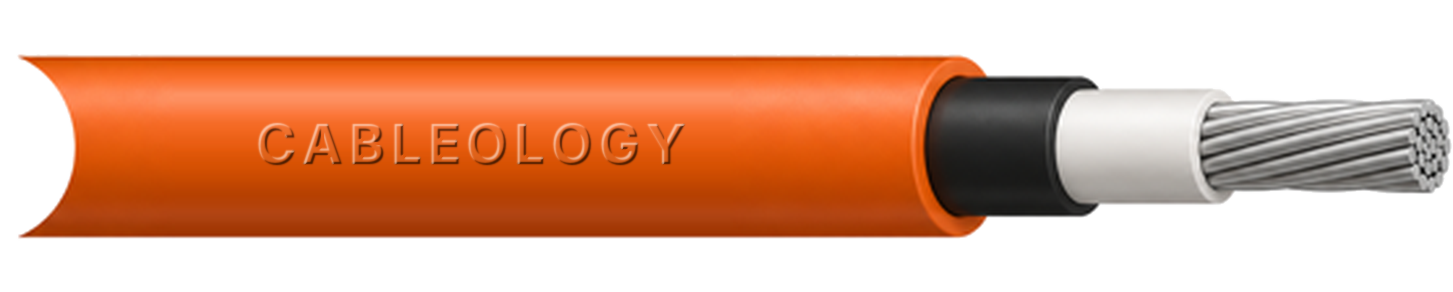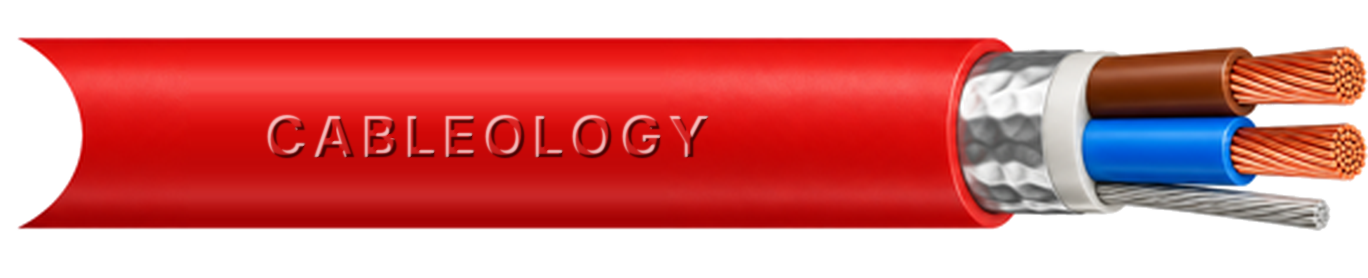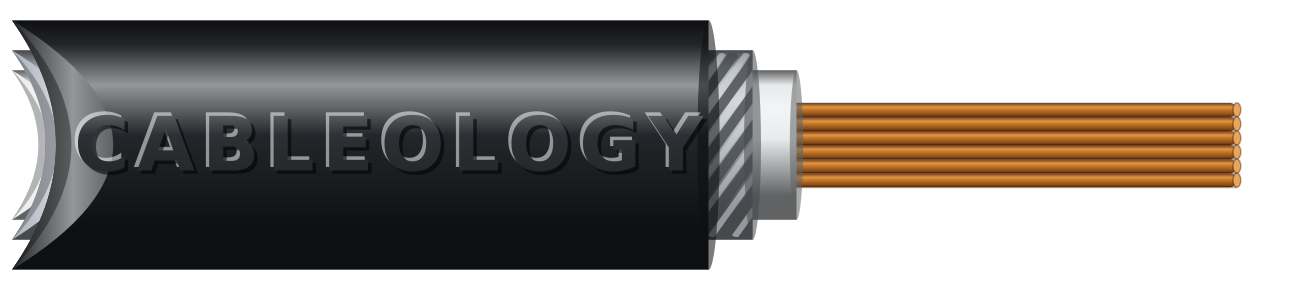
Three single core medium voltage cables laid up together to form a three phase circuit, used widely by UK distribution network operators at 11 kV. Each core has an aluminium conductor, XLPE insulation between semiconducting screens and a copper wire screen that carries fault current and holds the earth reference. Assembling three singles rather than making a single three core cable keeps individual cores lighter to handle and jointing more manageable.
Key applications
- 11 kV distribution feeders and interconnectors
- Substation to substation interconnection on distribution networks
- Ring main unit and switchgear connections
- Supplies to large industrial and commercial consumers at 11 kV
- Wind, solar and other generation connections at distribution voltage
- Underground and ducted medium voltage routes
Features and benefits
- Three single cores are lighter to pull and easier to joint than an equivalent three core cable
- Copper wire screen on each core provides the fault current path and earth reference
- Semiconducting screens either side of the insulation control the electrical stress distribution
- Solid aluminium conductors keep weight and cost down on long distribution runs
- Red MDPE oversheath as standard identifies the cable as medium voltage
Specification notes and limitations
Medium voltage cable must only be jointed, terminated and energised by competent personnel working to a documented safe system of work, with proving dead, earthing and cable spiking carried out before any cut is made. Screen earthing arrangements have a direct effect on fault current distribution and on induced sheath voltages, so follow the network operator's earthing specification rather than improvising. Pulling tension and bending radius limits matter more on medium voltage cable than on low voltage, because damage to the semiconducting screen interface is not visible from outside and will cause a failure in service.