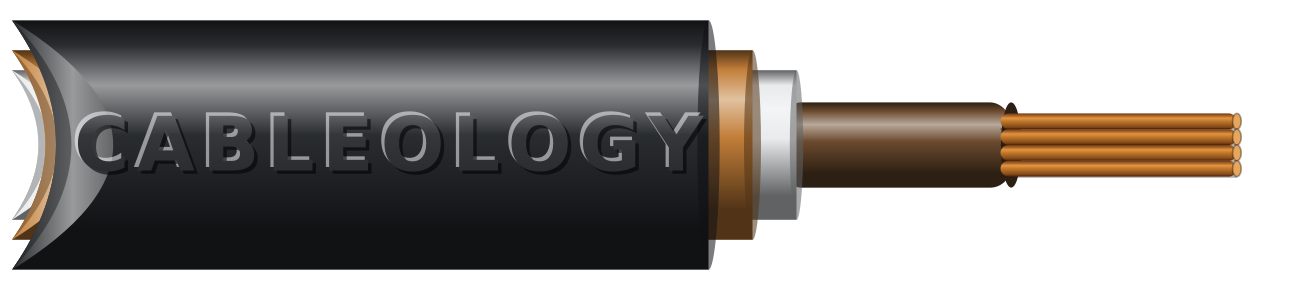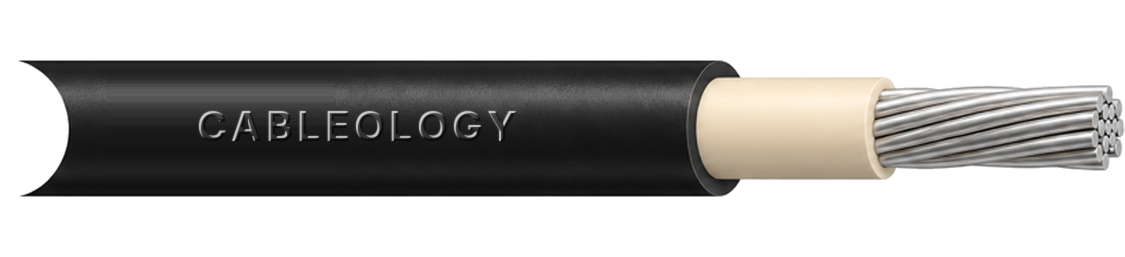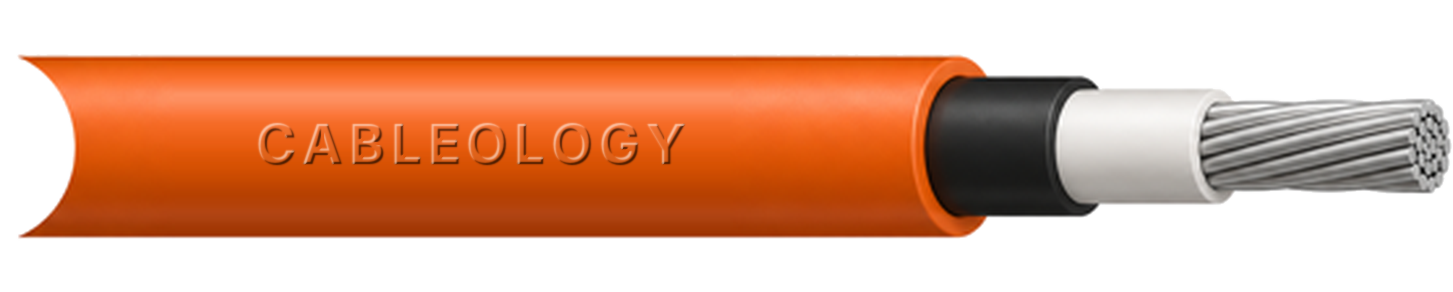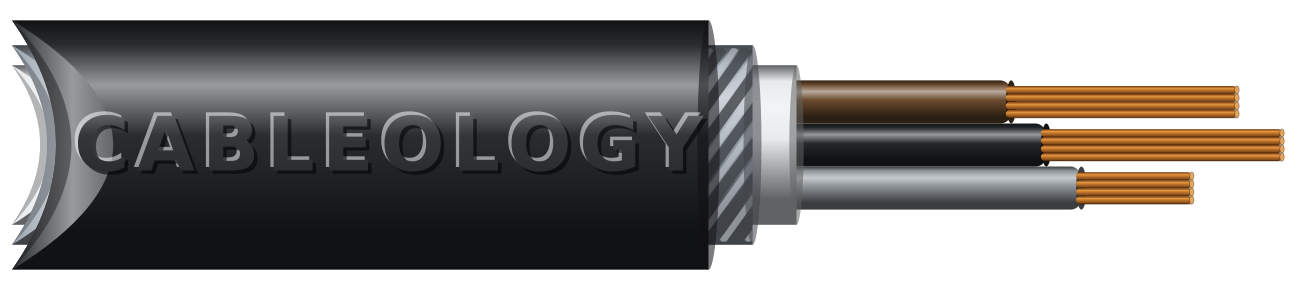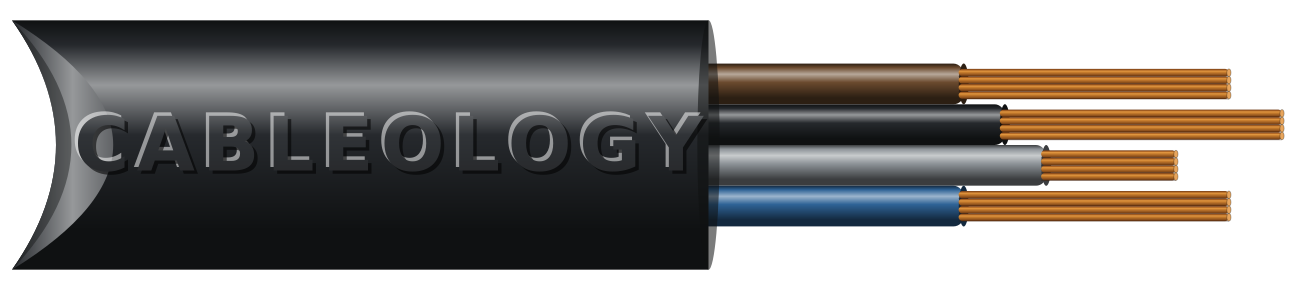
Split concentric cable puts the neutral and the protective conductor in a concentric layer wrapped around a central insulated phase conductor. The neutral wires are covered and identified blue; the earth wires are bare, and the two sets are kept apart by separators within the layer. The arrangement surrounds the live conductor with earthed metal, which is why it is the standard choice for single-phase service connections and unarmoured submains.
Key applications
- Final service connections from the distribution network to a property
- Single-phase submains and sub-distribution within a building
- Risers in blocks of flats and high-rise buildings
- Street lighting and external feeder circuits
- Installation in air or in free-draining soil
Features and benefits
- Concentric earth layer surrounds the phase conductor, so damage tends to cause a fault to earth rather than exposed live metal
- Separate neutral and earth, so it suits TN-S and TN-C-S arrangements
- No armour to terminate, so glanding is simpler and quicker than SWA
- Smaller and more flexible than an equivalent armoured cable
- Standard choice for network and street lighting work, so widely available
Specification notes and limitations
This is a single-phase cable and must not be pressed into service as a three-phase cable. The concentric layer has to be made off properly: the neutral and earth wires must be separated, gathered and terminated to the right points, and a hurried termination that mixes them creates a neutral-earth fault or leaves the protective conductor undersized. The earth wires are bare, so any damage to the sheath exposes them. There is no armour, so the cable needs mechanical protection where it could be struck, and burial requires bedding, depth and marker tape appropriate to the location. The 70 °C PVC limit applies, along with the usual derating for grouping and for installation in the ground.